Christmas Bear Clipart Watercolor Winter Review
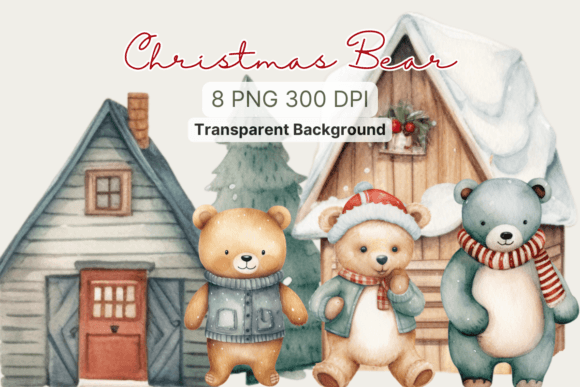
When I first opened the Christmas Bear Clipart Watercolor Winter file, I didn't just see a cute image; I saw a potential bestseller for the upcoming holiday season. As someone who has spent years reviewing embroidery designs for real-world production, my eyes immediately went to how this illustration translates from a screen to thread. The watercolor aesthetic is trendy right now, offering a soft, hand-painted look that stands out against the rigid lines of traditional vector clip art. But does it hold up under the needle? Can it survive the stress of a commercial machine without losing its charm? Let's dive into what happens when you take this design off the computer and put it on the hoop.
The First Impression: Mood and Market Fit
The moment you look at Christmas Bear Clipart Watercolor Winter, the mood shifts instantly. It isn't aggressive or loud; instead, it exudes a cozy, nostalgic warmth that screams "holiday comfort." For an embroidery designer, this visual personality suggests specific applications. It feels perfectly at home on items meant for relaxation or sentimental gifting. The soft edges and blended colors of the watercolor style create a gentle appeal that works exceptionally well for baby items, nursery decor, and boutique gift collections.
From a business perspective, this design hits the sweet spot for Etsy sellers and small shop owners looking to differentiate their inventory. While many competitors are pushing bold, graphic styles, this watercolor approach offers a softer, more artisanal vibe. It appeals to customers who value handmade quality and artistic nuance over mass-produced uniformity. Whether you are creating a custom embroidered tote bag for a local market or designing a series of holiday gifts for your online store, this piece has the versatility to elevate the perceived value of your finished product.
Real-World Application: From Screen to Stitch
I recently tested a similar concept for a custom sweatshirt order intended for a family reunion. While that project used a different file, the thought process remains identical for Christmas Bear Clipart Watercolor Winter. Imagine placing this design on a cream-colored canvas tote bag. The watercolor effect would likely mimic the texture of fabric, making the bear appear as if it were painted directly onto the material rather than stitched with hard outlines. This creates a sophisticated finish that looks expensive but can be produced efficiently.
In a scenario involving baby clothes, such as a onesie or a christening blanket, this design excels. The softness of the watercolor style pairs beautifully with delicate fabrics like cotton jersey or muslin. It avoids the harsh contrast that sometimes alienates parents looking for gentle aesthetics. Similarly, for kitchen towels or aprons in a boutique setting, this design adds a touch of festive whimsy without overwhelming the utility of the item. It transforms a standard tea towel into a memorable holiday keepsake.
However, the translation from digital illustration to physical stitch requires careful consideration. The Illustrations category often implies a raster-based image that needs conversion before stitching. If you are using this as a direct embroidery file, the software must interpret the color gradients into stitches. In a real-life test on a dark fabric background, the lighter watercolor tones might struggle to pop unless you utilize high-quality, light-colored threads or a dense underlay. Conversely, on white or pastel backgrounds, the design shines, maintaining its airy, light feel.
Where Caution Is Key: Limitations and Challenges
No design is perfect for every surface, and Christmas Bear Clipart Watercolor Winter is no exception. One of the primary challenges with watercolor-style embroidery is maintaining detail on small scales. If you attempt to stitch this on a cap or a tiny embroidered patch, the fine details of the brushstrokes may blur together or get lost entirely. The curvature of a hat brim can also distort the soft shapes, making the bear look slightly misshapen if the digitization isn't precise.
Textured fabrics present another hurdle. On a thick fleece or a rough linen, the smooth transitions of the watercolor effect might get interrupted by the weave of the material. Thin or stretchy fabrics require a robust stabilizer system to prevent puckering, which could ruin the delicate balance of the design. If you are working with dense stitch areas, ensure that the stitch density is appropriate; too much thread can make the fabric stiff and uncomfortable, especially for baby garments or lightweight apparel.
Furthermore, products that undergo frequent washing need extra durability checks. A design with intricate, thin lines might snag or fade faster than a bolder graphic. Before committing to a large batch of commercial embroidery projects, always run a wash test on a sample piece. This ensures that the thread colors remain vibrant and the shape holds up after multiple cycles.
Visual Appeal and Brand Consistency
For creative entrepreneurs and Etsy sellers, the visual impact of a design is often the deciding factor in a purchase. Christmas Bear Clipart Watercolor Winter offers a distinct brand identity that feels cohesive and professional. When applied to a line of products—say, matching pillow covers, aprons, and tote bags—it creates a unified collection that signals attention to detail. Customers trust brands that pay attention to the nuances of their design assets, and this watercolor style communicates care and craftsmanship.
The design also enhances the giftability of your products. A personalized gift featuring a soft, artistic bear feels more thoughtful than one with a generic, blocky image. It resonates emotionally, making the recipient feel special. This emotional connection is crucial for building long-term customer loyalty and encouraging repeat business. By choosing a design with such strong visual personality, you are investing in the perceived value of your entire catalog.
Practical Designer Notes for Success
Before you rush to start your next production run, there are several critical steps to ensure success with Christmas Bear Clipart Watercolor Winter. First and foremost, test the design on scrap fabric that matches your final project material. This allows you to see how the stabilizer interacts with the fabric and whether the tension settings need adjustment. Pay close attention to the hoop size; if the design is larger than your hoop, you will need to reposition, which risks alignment issues.
Check the thread color contrast carefully. Since the original is a watercolor illustration, it relies on subtle shading. Ensure your thread palette captures these nuances. If you lack the specific shades, consider using a satin stitch outline to define the edges, adding clarity without sacrificing the soft look. Also, review the stitch density; if the fill stitches are too heavy, they may obscure the watercolor effect. You might need to reduce the density or switch to a combination of satin stitch and running stitch to mimic the brushstroke texture.
If you plan to sell finished items or digital products, confirm the licensing terms explicitly. Some digital embroidery files come with restrictions on commercial use, while others allow you to create unlimited merchandise. Do not assume; read the fine print. Additionally, inspect small details closely. Are there any stray threads or tiny gaps that might cause issues during production? If the file is a raster image converted to embroidery, verify that the conversion hasn't introduced artifacts.
Finally, compare your work in black and white mockups. Sometimes, color masks poor contrast or composition issues. If the design looks muddy in grayscale, it might indicate a problem with the underlying structure. By taking these practical steps, you ensure that Christmas Bear Clipart Watercolor Winter delivers the high-quality results your clients expect, turning a simple illustration into a standout handmade product.