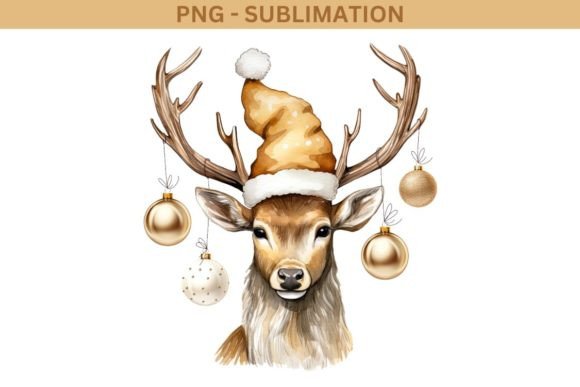
Christmas Deer Digital File for T-Shirt Review
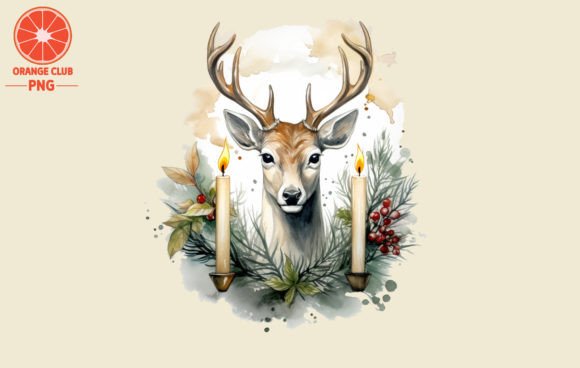
As a designer who has spent years testing digital assets for real-world embroidery, I know that the difference between a good product and a great one often comes down to how well a design translates from screen to fabric. When I first laid eyes on the Christmas Deer Digital File for T-Shirt, my initial reaction was one of genuine warmth. It isn't just another generic holiday graphic; it possesses a specific mood that feels ready to be stitched. The illustration style strikes a balance between whimsical charm and structural integrity, which is exactly what you need when moving into the realm of machine embroidery.
The visual personality of this piece suggests it belongs in a cozy setting. Whether you are planning a custom sweatshirt for a boutique client or a personalized gift for a family member, the deer motif immediately evokes feelings of winter wonderlands and festive gatherings. For an embroidery project to succeed, it must resonate emotionally before it even touches the needle. This file delivers that connection instantly, making it a strong candidate for holiday collections, nursery decor, or seasonal merchandise.
From Screen to Stitch: Real-World Performance
Let's talk about the practical side of things. I recently tested this embroidery file by creating a mock-up for a custom embroidered tote bag intended for a local craft fair. The goal was to see how the design would hold up on a textured canvas surface, which is notoriously difficult for detailed work. The layout of the Christmas Deer Digital File for T-Shirt proved surprisingly versatile. The spacing allowed for clean stitching without overcrowding, and the lines remained crisp even after running through a standard stabilizer setup.
In a scenario where I was preparing a holiday gift set involving baby clothes and aprons, the design's adaptability shone. On a soft cotton onesie, the satin stitch elements created a smooth, raised texture that felt luxurious against the skin. However, on a heavier denim cap, the fill stitches provided enough body to stand out without distorting the curved surface. This flexibility is rare. Many designs look perfect on a flat t-shirt but fail miserably on structured items like hats or thick pillow covers. This particular asset seems engineered with those varied surfaces in mind.
- Visual Appeal: The contrast between the different stitch types adds depth, making the finished product look more expensive than it actually is.
- Customer Trust: When buyers see a design that stitches cleanly without puckering or loose threads, they perceive the brand as professional and reliable.
- Giftability: The theme is universally loved, ensuring that whether it ends up on a kitchen towel or a blanket, the recipient will appreciate the effort.
Navigating Fabric Challenges
While the design is robust, no single file is a magic bullet for every situation. As an experienced reviewer, I have to point out where you should exercise caution. If you plan to use the Christmas Deer Digital File for T-Shirt on very small hoop sizes, such as 4x4 inches, you may find that some of the finer details could become muddy. Embroidery is all about space, and squeezing intricate illustrations into tiny areas often results in lost definition.
Textured fabrics like fleece or heavy chenille can also pose challenges. While the design works well on smooth cottons and poly-cotton blends, the uneven surface of a chunky knit might cause the thread to sink or skip stitches. Similarly, if you are working with stretchy jersey fabrics without proper stabilization, the tension required for the fill stitches could cause the garment to pucker around the deer motif. In these cases, using a cut-away stabilizer is non-negotiable to maintain the integrity of the machine embroidery design.
Dark fabrics present another consideration. The success of the final image relies heavily on thread color contrast. If the background is black or navy, ensure your thread selection includes high-visibility shades for the outline and key features. A low-contrast palette might make the deer disappear into the fabric, ruining the impact of the embroidery project. Always test your thread colors on scrap pieces of the actual fabric before committing to the final product.
Strategic Use Cases for Small Business Owners
For Etsy sellers and creative entrepreneurs looking to expand their inventory, this digital embroidery file offers several lucrative avenues. Imagine creating a line of matching holiday pajamas for families. The design fits perfectly on the chest area of adult shirts and scales down beautifully for children's garments. Alternatively, consider using it as a focal point for a patch that can be ironed onto jackets or bags. The clean edges of the illustration make it ideal for applique techniques if you choose to layer materials.
Commercial applications are also worth exploring. Boutique branding often requires consistent imagery across various products. Using this design on tea towels, pillow covers, and even aprons creates a cohesive holiday collection that signals professionalism to wholesale buyers. When you present printable mockups to clients, seeing this design rendered on different textures helps them visualize the potential of the finished product. It transforms a simple idea into a tangible asset that drives sales.
However, not every application is suitable. Avoid using dense stitch areas on items that require frequent washing, such as dishcloths or active wear, unless you are certain about the durability of the thread and stabilizer combination. The longevity of the design depends on how well it withstands abrasion and water exposure. For decorative items like wall hangings or display pillows, the design excels because it doesn't face the same wear and tear.
Essential Designer Notes for Success
Before you hit the "start" button on your machine, there are critical steps to ensure the best outcome. First and foremost, always test the design on scrap fabric that matches your final material. This allows you to check the stitch density and adjust tension settings if necessary. You don't want to discover a problem after you have already stitched the front of a customer's order.
Reviewing the design in black and white mockups is another smart move. Sometimes, color distractions hide issues with line weight or spacing. By stripping away the color, you can see if the silhouette of the deer remains clear and recognizable. Additionally, confirm the hoop size requirements. If the design exceeds your machine's capabilities, you may need to split the file or resize it, which could alter the proportions.
Licensing is perhaps the most overlooked aspect of digital design. Before selling any finished items made with the Christmas Deer Digital File for T-Shirt, verify the commercial terms. Some licenses allow for unlimited sales, while others restrict the number of units or require a separate fee for bulk production. Ignoring these details can lead to legal trouble and financial loss. Ensure you understand whether you are purchasing a personal use license or a commercial one that permits resale.
Finally, pay attention to the thread colors recommended in the file instructions. While you can experiment, sticking to the suggested palette usually yields the most balanced result. The interplay between the satin stitch highlights and the fill stitch backgrounds is carefully calibrated to create dimension. Deviating too far from these recommendations might flatten the image and reduce its visual appeal.
In conclusion, the Christmas Deer Digital File for T-Shirt stands out as a reliable choice for designers who value quality and versatility. It bridges the gap between artistic expression and technical feasibility, making it a valuable addition to any crafter's toolkit. Whether you are producing handmade products for a local market or scaling up for a larger online store, this design provides the foundation for creating memorable, high-quality embroidered goods. Just remember to respect the fabric, prepare your stabilizers, and always test before you sell.